

The winter months can be demanding for employees – financial pressures rise, daylight hours shrink, and workloads often intensify ahead of year-end. These factors all combine to create a unique set of wellbeing risks.
For employers, this season provides a valuable opportunity to reinforce support, remind employees of the benefits available to them, and create a culture where wellbeing remains a priority.
So how can companies help their employees stay healthy and motivated throughout the winter months?
1.Strengthen Financial Wellbeing Support
For many employees, financial pressure can peak during winter, and our research shows just how many employees could be feeling the strain of increased household bills and festive shopping.
A significant 76% of employees say they don’t receive financial support from their employer[1], highlighting a significant gap between what people need and what they feel is available. This lack of support has clear wellbeing implications with 26% of employees reporting that their current finances negatively affect their mental health.
Confidence is another challenge. Only 15% of employees feel ‘completely confident’ with their financial decision making[1], meaning most people may be unsure of how to budget effectively, manage debt or make secure long-term choices. Even more worrying, 40% of employees told us they ‘don’t know’ what financial support is available to them, suggesting that if provision exists it’s not being communicated effectively[1].
For employers, winter presents a meaningful opportunity to strengthen financial support. Clear and consistent communication that is jargon free and accounts for all levels of financial education is a good foundation.
Signposting existing benefits such as retail discounts, salary sacrifice schemes, health cash plans or interest free loans can help employees understand what is available to them. Providing financial education can also have a significant impact, this support can help build confidence and support beyond financial wellbeing.
2.Promote Mental Wellbeing
The National Institute for Mental Health reported that reduced daylight in winter is linked to changes in serotonin and melatonin that disrupt normal daily rhythms and can lead to changes in mood, sleep and behaviour, including depression and low energy.[2]
For some employees, winter may also exacerbate anxiety, stress or symptoms of seasonal affective disorder. Employers who acknowledge this openly can help to reduce stigma and encourage employees to seek support earlier, which may in turn help to reduce absenteeism.
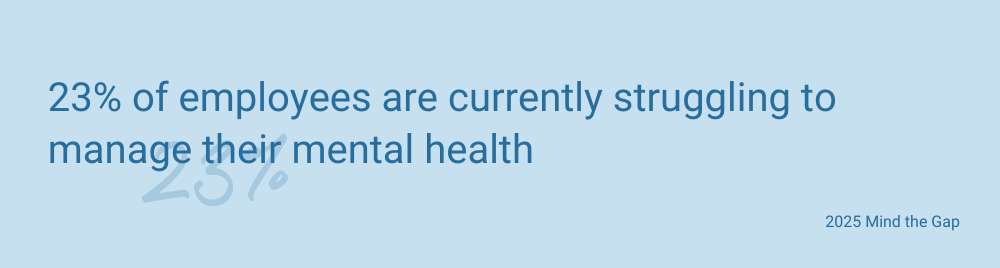
Manager training is an important foundation. When leaders understand how to spot early warning signs and changes in performance, they can hold conversations and guide employees towards the correct resources.
Actively engaging employees in taking care of their mental health at this time of year is crucial. Many companies will offer an Employee Assistance Programme (EAP), counselling sessions or wellbeing apps – and yet utilisation often remains low as employees aren’t reminded of how to engage with these benefits.
Running a ‘Winter Wellbeing’ campaign, sharing real examples of how services can be used or hosting a webinar can all boost awareness and engagement while helping to reduce stigma.
3. Supporting Physical Wellbeing
For some employees, physical health can take a back seat during winter as opportunities for movement decline. Encouraging employees to keep active, in small and manageable ways can have a positive impact on energy levels and productivity.
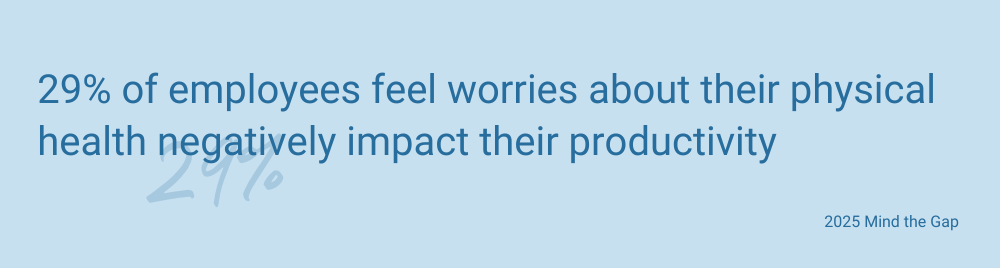
Employers can support this by promoting gym discounts, providing virtual fitness classes or allowing flexible working arrangements so that employees can fit activity into their day.
Winter also brings an increase in seasonal illnesses. Highlighting access to virtual GPs, covering flu vaccinations, and encouraging employees to stay home when unwell can all contribute towards a healthier workforce.
Additionally, sharing resources on sleep, nutrition, and hydrations can also help promote better overall wellbeing.
4.Encourage Social Connection
Although the festive season is traditionally viewed as a social time, many employees’ experience loneliness or disconnection in the inter, particularly those working remotely or living alone. Nearly half (48%) of Britons say they experience loneliness during the festive period[3].
Employers can help by strengthening social wellbeing and creating opportunities for connection. Team catch-ups, virtual coffee chats, collaborative projects and inclusive seasonal events can help build belonging. It’s important these activities feel optional and inclusive of all preferences and cultures.
Recognition plays a powerful role, acknowledging employees hard work can significantly boost morale.
5.Create a Supportive Work Environment
The workplace environment, both physically and culturally can have a huge influence on wellbeing. During the winter months, small adjustments can make a noticeable difference to employee engagement.
For on-site teams, ensuring workspaces are warm and well-lit supports productivity. For hybrid or remote colleagues, providing ergonomic guidance or equipment allowances can allow for a comfortable home-working setup.
Culturally, employers should reinforce key messages, taking annual leave is encourages, workloads should be prioritised realistically, and wellbeing remains a central part of your companies’ values. When leaders model these behaviours, it creates a healthier, more sustainable working environment for everyone.
Prioritising wellbeing in winter isn’t about one-off initiatives it’s about creating a consistent and supportive experience for employees during a season that can feel particularly heavy. Employers have a unique opportunity to set their people up for success in 2026 and beyond.
What can companies do next?
- Audit and maximise on existing support: Review your current benefits, identify gaps and communicate clearly so employees are able access support.
- Introduce targeted ‘Winter Wellbeing’ initiatives: Consider seasonal measures such as financial education sessions, flu vaccinations, wellbeing campaigns and manager training.
- Partner with providers: Work with trusted wellbeing, benefits and financial education experts to deliver tailored support that meets the needs of a diverse workforce.

[1] 2025 Mind the Gap Survey
[2] https://www.nimh.nih.gov/health/publications/seasonal-affective-disorder
[3] https://www.vodafone.co.uk/newscentre/press-release/research-reveals-connectivity-most-important-part-brits-xmas/