
For many employees, a workplace pension is one of the most valuable benefits they receive. But having a pension and feeling confident about retirement are two very different things.
Our Mind the Gap 2025 research found that 40% of employees are unaware of the retirement savings options and benefits are available to them, while 32% said that worries about their long-term finances negatively affect their productivity at work [1].
With retirement often decades away, it is understandable that pensions can slip down the priority list, but putting off engagement can make it harder for employees to understand whether they are saving enough and what action they may need to take.
Employers are well-placed to help close this gap. Through clear communications, appropriate pension scheme design, financial education and accessible support, they can help employees better understand what they already have and the steps they could take towards their longer-term goals.
Make Pensions Easier to Understand
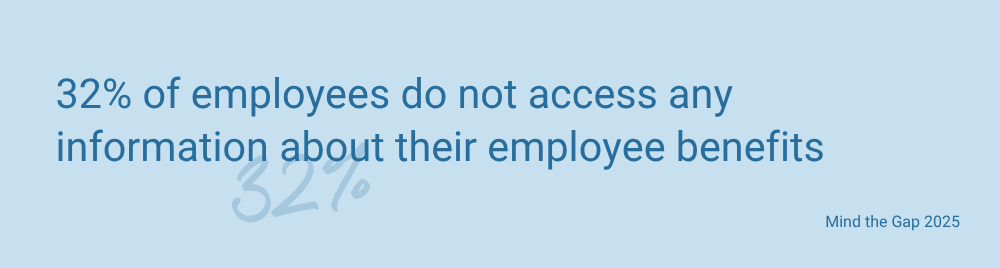
Pensions can be complex, and technical language can discourage employees from engaging with their retirement savings in a meaningful way. Our Mind the Gap research highlights a wider communication challenge. 32% of employees do not access any information about their employee benefits, while around a third do not understand the benefits available to them [1].
Pension communications should therefore be clear, accessible and relevant. Rather than focusing solely on contribution percentages and technical information, communications can help employees answer the questions that matter to them:
- How much have I saved?
- How much might I need?
- What is my employer contributing?
- What difference could increasing my contribution make?
Regular emails, webinars, workplace talks or access to benefits platforms such as glo can keep pensions visible rather than relying on an annual statement that may quickly be ignored or forgotten.
Encourage Employees to Check Their Pension
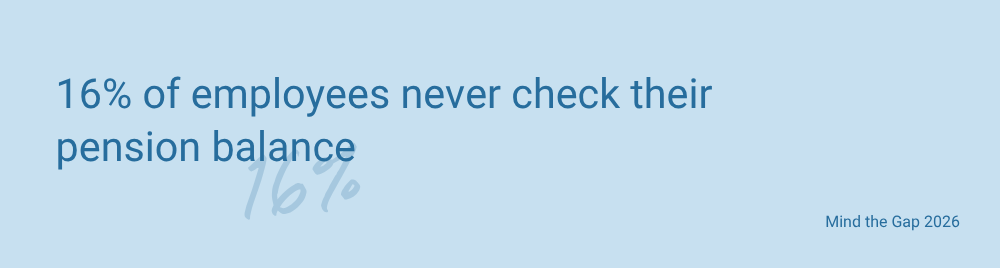
Engagement starts with knowing what you have. Findings from our Mind the Gap research suggest that 16% of employees never check their pension balance [2], while only around one in four check it at least monthly. Around half fall somewhere in between, checking their pension between once a year and every few months.
Simply encouraging employees to check their pension more regularly is the first step towards better engagement. Doing so can help people understand how their savings are progressing and prompt them to consider whether their current contribution is likely to support the retirement they are aiming for.
Employers do not need to reinvent the wheel to make this happen. Many pension providers already offer tools and integrations that bring pension balances into employees’ everyday lives-for example, syncing with banking apps so that pension values appear on the home screen alongside current accounts. Making staff aware of these features and encouraging them to switch them on can help keep pensions front of mind with minimal extra effort.
Employers can also build simple reminders into wider financial wellbeing communications, while signposting employees towards pension calculators, dashboards and other trusted resources.
Recognise the Pensions Confidence Gap
Not every employee experiences retirement planning in the same way. Our Mind the Gap 2025 research identified a clear difference between men and women, for example:
- 76% of women feel confident managing their finances – this rose to 86% for men
- 69% of women are aware of their pension contributions compared with 76% of men
- 55% of men believe they will retire with adequate savings, compared with 47% of women
There are many reasons why an individual’s retirement savings may be affected over their working life, including career breaks, caring responsibilities and periods of part-time work. This makes inclusive pension communication particularly important.
Employers can consider whether communications and education are reaching different parts of their workforce and whether certain groups may benefit from more targeted support. A one-size-fits-all approach risks leaving some employees behind
Provide Education and Guidance at Different Life Stages
The question “How much do I need?” does not have one simple answer. An employee in their twenties may be thinking about balancing pension contributions with saving for a first home. Someone in their forties may want to understand whether they are on track, while an employee approaching retirement may need much more detailed information about their options.
Rather than waiting until employees are close to retirement, employers can provide education throughout their working lives. This could include company-wide presentations, webinars, one-to-one sessions with pension experts and access to financial education and guidance. Communications can also be timed around relevant life and career stages, helping employees understand which actions may be appropriate at different points.
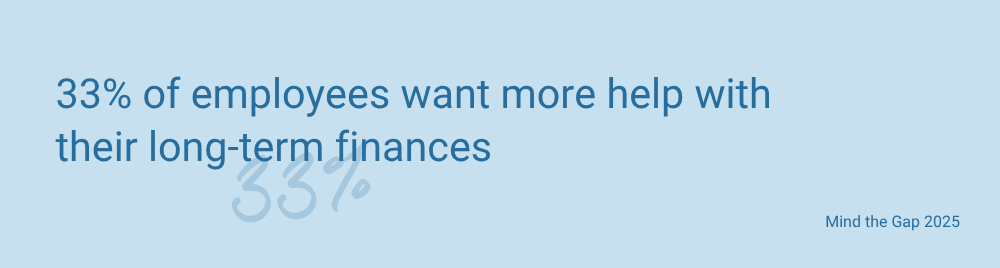
There is a clear appetite for this support. Our research found that 33% of employees want more help with their long-term finances, up from 30% the previous year. Early findings from this year’s survey suggest that demand remains at 33% [1].
Review Whether Your Pension Strategy Is Working
Employee engagement is only one side of the picture; employers should also regularly consider whether the pension scheme itself continues to meet the needs of their workforce. This could involve benchmarking existing pension provision, reviewing contribution structures and looking at whether the scheme remains competitive within the wider benefits market.
Pensions can also play an important role in an organisation’s employee value proposition. Our Mind the Gap survey found that 82% of employees consider benefits important when looking at career opportunities, while 55% would leave their current role for better benefits elsewhere [1] .
A well-designed and clearly communicated pension scheme can therefore help demonstrate the overall value of the employment package and support wider talent attraction and retention objectives.
Closing the Pension Readiness Gap
Pension readiness is about more than simply encouraging employees to save more. It is about giving people the knowledge, visibility and confidence to make informed decisions about their future.
For employers, a useful starting point is to consider whether employees understand their existing pension, and know where to find information and access to appropriate education and guidance. Reviewing scheme design and engagement data can then help identify where further action may be needed.
PIB Employee Benefits can support employers with:
- Pension scheme design and benchmarking
- Contribution structures
- Communication and engagement campaigns
- Financial education.
Our pension experts can also provide company-wide presentations and one-to-one sessions to help make complex pension information easier for employees to understand and act upon.
If you’re reviewing your workplace pension or looking for ways to improve employee engagement with retirement planning, we’d be happy to help.

[1] Mind the Gap 2025
[2] Mind the Gap 2026